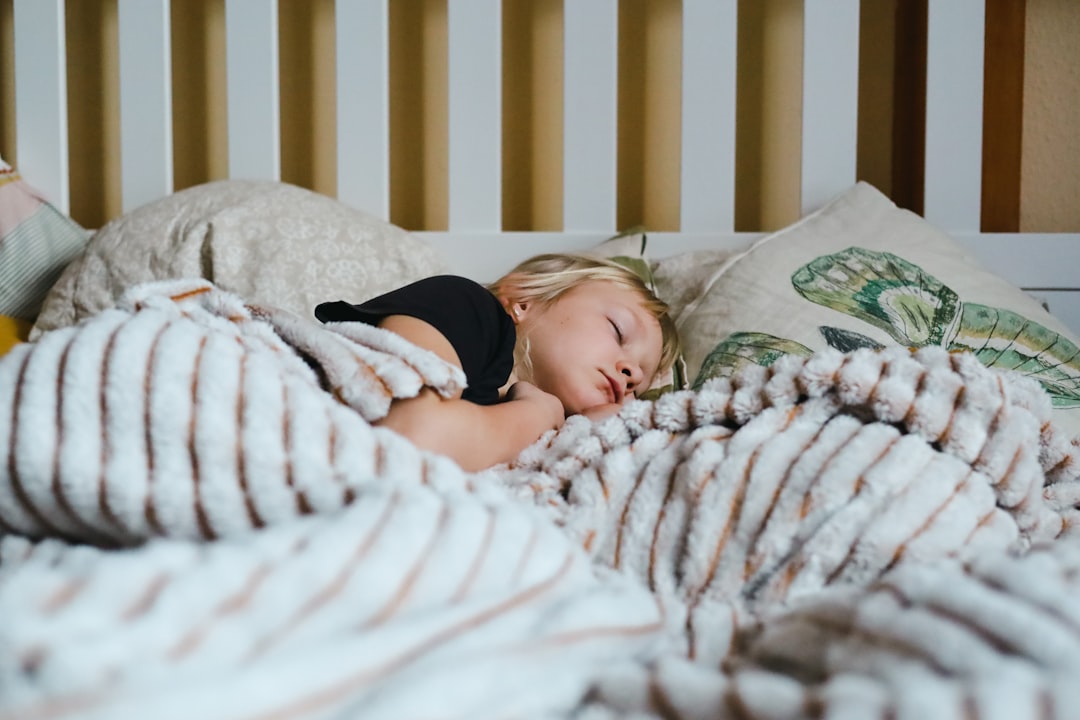
Picture a new mattress in a typical 4-room BTO common bedroom—maybe twelve square metres if you’re lucky. The door stays shut for the AC, the window’s often closed against the haze, and that’s where the real problem starts. You’ll spend the first week worrying about support, but your child’s lungs will contend with something else entirely: a concentrated cloud of chemical vapours off-gassing in that sealed, humid air. Firmness is a long-term concern; the air they breathe from day one is immediate.
Singapore’s relentless humidity doesn’t just frizz hair—it actively accelerates the release of volatile organic compounds from foam adhesives and synthetic fire barriers. In a spacious, cross-ventilated master bedroom, these emissions might dissipate in a few days. But trap them in a compact kids' room, and they linger. That faint 'new mattress smell' so many parents shrug off? It’s the first hurdle, and it’s one a firmness rating can’t solve.
You’ll test a mattress by pressing down on the centre, checking for that supportive push-back. What you can’t test is what seeps out night after night. Prioritising low emissions means looking past the sales talk about spinal alignment and asking about the core. Certifications for low-VOC foams and natural, latex-based cores matter more here than an extra firmness grade. A mattress that’s slightly less firm but made with cleaner materials is the smarter trade-off for a child’s first proper bed.

The only time I’d reconsider this order is if your child has a diagnosed spinal condition requiring specific orthopaedic support—then, you work backwards from a doctor’s recommendation to find the firmest option within the cleanest material range you can afford. For every other child in every other HDB room, clear air is the non-negotiable foundation. Get that right first, then you can fret about posture.
Unpack a kids mattress in a Singapore flat and you’ll notice it straight away—that faint, synthetic new-mattress smell. That’s the off-gassing, and it’s completely normal. It peaks right after you cut the plastic wrap, especially if delivery happens on one of those humid afternoons where the air feels thick enough to slice. Your job is to get the room ventilated as best you can, even if the weather isn’t cooperating. Open the windows, switch on a fan, and let the air move. In a well-aired space, that initial chemical odour should fade noticeably within a few days.
Now, the local context matters. You might plan to air it out for a solid week, only to have the year-end monsoon roll in, forcing you to shut the windows against the rain. Don’t panic. The process slows, but it doesn’t stop. Keep a fan circulating air in the room whenever possible. The real benchmark is the seven-day mark. By then, any strong chemical smell should be a memory. If you walk in after a week and the room still smells distinctly of a factory or plastic, that’s your signal. A persistent, sharp odour suggests higher emissions, and that’s not something you want your child breathing in night after night.
There’s a common misconception that a “new” smell means it’s fresh and clean. For a kids mattress, it’s the opposite. You want that smell to disappear quickly. A quality hypoallergenic mattress might have a faint, neutral scent from its covers, but it shouldn’t assault your senses. If the odour lingers strong past that first week, it’s worth a second look at the materials—even if the price was right. Your child’s room is one of the smallest spaces in a typical 4-room BTO, and concentrated air in there needs to be good.
So, take the sniff test seriously. Plan the unboxing for a day when you can commit to some serious airflow, and monitor the timeline. The only exception? If you’ve got a child with severe respiratory sensitivities, you might want to air it out in a separate, unoccupied room for the full week before moving it in, just to be extra safe. Otherwise, trust the process, but also trust your nose. It’s a pretty reliable gauge.
You'll see the word 'hypoallergenic' slapped on plenty of mattress tags in local showrooms, a term that's become so generic it's practically meaningless on its own. It's a marketing comfort blanket, not a guarantee of safety, because there's no single standard defining what it actually means for emissions. What you're hunting for is a specific certification name and number, printed clearly on the label or in the product specifications. That shift from a vague claim to a verifiable credential is the entire game for a parent in a Tampines BTO or an Eunos resale flat. Ignore the fluffy language and train your eye to spot the official seals.
This certification is a strong first filter for the foam inside the mattress, whether it's the core support or a comfort layer. It means the polyurethane foam has been independently tested for content and emissions, setting limits on volatile organic compounds, formaldehyde, and heavy metals. For a child's mattress, that's a concrete barrier against the off-gassing smell new foam can have, which is more than just an odour—it's the emission itself. The testing also confirms the foam is made without certain ozone depleters and flame retardants linked to health concerns. It doesn't cover the entire mattress, but it locks down a major material component.
Where CertiPUR-US focuses on foam, OEKO-TEX Standard 100 casts a wider net over textiles. This certification tests every component of a fabric—thread, lining, even printing inks—for a catalogue of harmful substances. On a kids' mattress, that means the quilted top layer, the side panels, and that essential water-repellent cover are all screened. The 'Standard 100' label is your assurance that no nasty chemicals are hiding in the colourful dinosaur print your child will be breathing near for years. It's a thorough, product-wide check that complements a foam certification perfectly.
The real power of these labels isn't in the logo; it's in the test results they represent, which provide limits you can actually look up. A generic 'safe for kids' sticker offers no such transparency, while a certification gives you measurable thresholds for formaldehyde emissions or pesticide residues. This turns an emotional worry into a factual checklist, something especially valuable when you're evaluating an imported model online or in a warehouse. You're not just trusting a salesperson's word—you're leaning on a published standard that had to be met. That's a different level of confidence for your child's room.
Here's the counterintuitive bit: a mattress shipped from overseas isn't automatically better, and often it carries only the manufacturer's own basic safety compliance label. Many regional imports satisfy only broad, minimum regulatory requirements, which can be far less stringent than the voluntary certifications like OEKO-TEX. So that 'imported quality' tag might be masking a lack of specific, rigorous testing for the chemical emissions you're most concerned about. The exception is when that import also carries a recognised international certification, which is the combination you actually want. Always prioritise the specific certification over the country of origin.
How to Choose a Kids Mattress Protector: Prioritizing Safety and Hygiene
The first thing you’ll notice is the smell. Unwrap a new synthetic foam mattress and there’s often that faint chemical odour that lingers in the room for a week—that’s the volatile compounds off-gassing. With natural latex, that initial smell is far less pronounced, if it’s there at all. The difference comes down to the materials themselves. Polyurethane and memory foams are petroleum-based, and their production involves chemicals that can release VOCs into your child’s bedroom air. Natural latex, tapped from rubber trees, has a simpler chemistry and typically emits far fewer of these compounds right out of the gate.
Now, the sticker shock. A proper, fully natural latex mattress sized for a child can easily cross the $1,200 mark. That’s a serious investment for a growing kid in a 4-room BTO, especially when you’re juggling other move-in costs. But you’re paying for a material that’s naturally resistant to dust mites and mould, which is a big plus in our humidity, and for that cleaner air profile from day one. It’s a long-term health play, not just a comfort one.
Thankfully, there’s a realistic middle path for flats in neighbourhoods like Bedok or Aljunied. Many modern synthetic foams now come with certified low-VOC treatments. These aren’t the foams of a decade ago. Look for clear certifications on the tag that specify low emissions—these treatments lock down a lot of that initial off-gassing. You won’t get the absolute purity of natural latex, but you’ll get a much safer synthetic option at a mid-range price that fits a practical reno budget.

My take? If your budget allows, go for natural latex. The emissions profile is superior, and the material’s natural properties suit our climate beautifully. The one real exception is if you’re dealing with a serious latex allergy—then it’s a non-starter. For everyone else balancing cost and concern, a certified low-VOC synthetic foam is a completely responsible choice. Just don’t settle for an uncertified basic foam; that initial savings isn’t worth the trade-off in your child’s bedroom air quality.
" width="100%" height="480">How to Inspect a New Kids Mattress for Chemical EmissionsThere’s a moment in the showroom that tells you everything. You press a hand into the mattress, then lean your weight into it—really lean, the way a child might bounce or sprawl. That’s the only way to know if the support is genuinely firm enough for a growing spine, or if it’s just a marketing sheet talking about firmness. Online, you’re buying a promise and a picture. In a proper showroom, you’re buying what your own hands and knees have tested.
This physical test matters because a child’s mattress isn’t just a smaller version of an adult one. It needs a specific kind of firmness to keep their posture aligned as they grow, and that’s a sensation you have to feel for yourself. A photo can’t convey whether a Super Single mattress will hold its shape under a seven-year-old’s weight, or if it’ll sag after a year. You need to get in there, press around the edges, and simulate the pressure points. It’s a tactile decision, not a visual one.
Then there’s the smell. Walk into any air-conditioned showroom and you’ll notice it’s a controlled environment—no competing scents from the corridor or the carpark. This is actually your best chance to detect any initial chemical odour from new foams or fabric treatments. Give the mattress a good sniff right there on the floor. A faint, factory-new smell is fairly common and usually airs out in a week or two, but a strong, sharp chemical scent is a red flag you’d never catch from a website. That smell means the materials are still off-gassing, and you probably don’t want them in your child’s room.

Some parents think they can skip the showroom and rely on reviews. But your child’s weight and your own sensitivity to smells are unique. The only time I’d consider an online purchase is if you’re replacing an identical mattress you already know and love. For anything new, especially a child’s first proper bed, that trip to Tampines or Joo Seng is non-negotiable. You leave knowing exactly what you’re getting—the right firmness under your palms, and no nasty surprises for your nose.
That fresh mattress smell in the box isn't just new foam—it's a sign of off-gassing, a normal process that lasts about a week. The key is managing it, especially in our climate where heat and humidity can trap those emissions right where your child sleeps. A west-facing bedroom in a three-room resale flat, for instance, becomes an oven by late afternoon, and that warmth accelerates the release of VOCs. You don't need fancy air purifiers; you need a simple, disciplined window schedule.
Plan to open the windows during the cooler morning hours, from around 7am to 11am, for at least a solid week after unboxing. Use a standing fan placed in the doorway to actively pull that fresh air across the mattress surface. This cross-ventilation is far more effective than just letting still air sit in the room. The goal is to create a steady breeze that carries the emissions out, not just dilute them. For those in condos with smaller, fixed bedroom windows, the airflow might be too weak.
In that case, consider a more practical step many parents overlook. If space allows, place the new kids mattress in a larger, cross-ventilated room like the living area for those first few days. Air it out properly where the airflow is better, then move it into the bedroom once the initial off-gassing period has passed. It’s a bit of extra hassle, but it ensures your child isn’t breathing in the concentrated emissions while they sleep.
The only time I’d skip this whole routine is if you’ve specifically chosen a mattress with certified low-VOC or natural materials that are known for minimal off-gassing. Even then, a day or two of airing in a breezy spot doesn’t hurt. For the vast majority of new mattresses, this week-long ventilation plan isn’t optional—it’s the final, crucial step in making that new bed truly safe for your child.
That new-mattress smell—it’s a common first-day-of-term feeling in a fresh 4-room BTO. You unroll the protector, and there it is. In our humidity, that initial chemical scent from foams and adhesives doesn't just linger; it gets cozy. While off-gassing from a quality kids mattress typically fades within a week or two, our 80%+ humidity can slow that process, trapping the odour in the bedroom air. Don't panic if it's still faintly noticeable after a fortnight, especially if the room isn't well-ventilated. The real worry is a strong, sharp smell that gives you a headache—that's a sign to look into the materials.
Can I air the mattress on my balcony? Absolutely, but you’ve got to be strategic about it. The midday sun is too harsh—it can degrade the foam and adhesives over time. Aim for a shaded spot during the cooler morning or late afternoon hours, and keep a close eye on the sky. A sudden downpour means you’re hauling a damp, heavy mattress back inside, and that’s a whole new problem. For most flats, simply leaving the bedroom windows wide open with a fan running for a few days is the safer, more effective bet.
Are waterproof covers on kids mattresses toxic? This one’s a genuine concern, but the answer isn't a simple yes. Many affordable waterproof covers use PVC or vinyl with plasticisers that can off-gas. Look for ones labelled as certified low-VOC or made from polyurethane laminate (PUL) fabric, which is quieter and breathes better. A good rule is to unwrap the cover and let it air out separately before you put it on the bed—that way, you're not sealing those initial emissions against the mattress surface. The protection is non-negotiable for accidents, but the material of the protector itself shouldn’t be the source of worry.
Do emissions affect children with asthma more? They can, hor. A child's respiratory system is more sensitive, and chemical irritants from a new mattress can act as a trigger, worsening coughs or that tight-chest feeling. If your child has asthma, prioritise mattresses with certifications for low chemical emissions and give it a full week of airing in a well-ventilated room before they sleep on it. Don't compromise on that step—rushing it can mean nights of disrupted sleep for everyone. The goal is a safe, supportive base for their growth, not an added irritant in their own bedroom.
Right before you sign the invoice, that’s when the real inspection starts. The mattress is chosen, but you’re not done—this last pass is what separates a good buy from a headache that follows you home.
First, get your hands on the actual model you’re buying and check its certification labels. Don’t just take the brochure’s word for it; look for the physical tag sewn into the cover. You want to see clear marks for low chemical emissions, which is the whole point of your search. That tag is your proof, and it needs to be on the mattress itself, not just a generic one for the brand.
Next, confirm the mattress profile. A kids mattress is often 15 to 20cm thick for safety, but your child’s bed frame might be higher or lower. Get the salesperson to note the exact height, then picture your child climbing in and out. If the total sleeping surface sits too high off the floor, it’s a fall risk—better to know now and adjust the frame or pick a slimmer model.
Now, ask about the return policy, but be specific. Most places allow returns for sagging, but what about a persistent chemical smell that doesn’t air out after a week or two? Some retailers will call that normal off-gassing and refuse a return. Get their stance on odours in writing, or at least have a clear verbal confirmation from the manager. This isn’t being difficult; it’s protecting your child’s room air.
Finally, close the loop with a protector. You’ll likely need a waterproof one for accidents, but if you’ve just hunted for low emissions, don’t undo your work with a cheap, plasticky cover that smells strongly. Decide now if you need a protector that also claims low VOC emissions—it’s a small add-on that seals the deal properly. Only when these four boxes are ticked should you give the nod for delivery.