Mattress breathability: impact on your child's sleep quality and well-being

When Night Sweat Stagnates on Non-Breathable Foam

You wake up at two in the morning to a child standing by your bed, their pyjamas damp and their mood decidedly sour. That’s the humidity tax on a cheap mattress—the kind that doesn’t breathe. In our climate, a budget memory foam can act like a sponge, absorbing all that night sweat and body heat with nowhere for it to go. A child’s core temperature is already a delicate thing, and when it’s trapped under a layer of non-breathable foam in a 12 sqm common bedroom, their sleep cycle gets broken. They’ll overheat, wake up, and that’s your night ruined too.

The science is straightforward: kids sleep hotter than adults. A mattress that doesn’t actively manage moisture turns their bed into a warm, damp zone. You’ll see the signs on the sheets, sure, but the real damage is to their deep sleep. That’s when growth and repair happen, and it’s constantly interrupted. They might not remember tossing all night, but you’ll see the grouchiness the next day—that’s the real cost.

Now, some will tell you to just crank the air-con colder. But that’s a losing battle against physics, and your electricity bill will show it. The better fix is in the materials. You want a foam with proper cooling channels, or better yet, a hybrid with pocketed springs that let air move. A moisture-wicking cover is non-negotiable. For parents weighing the options, the kids mattress buying guide walks through the decisions that matter — size for current age versus future growth, the materials worth understanding, and the safety and support considerations specific to children. Its practical steer: going a size up (super single over single) can save replacing the mattress every couple of years as the child grows. It also covers matching the mattress to a sturdy kids' bed frame. A useful first read before buying.. It’s not just about comfort; it’s about creating a sleep environment where their body can actually do its job.
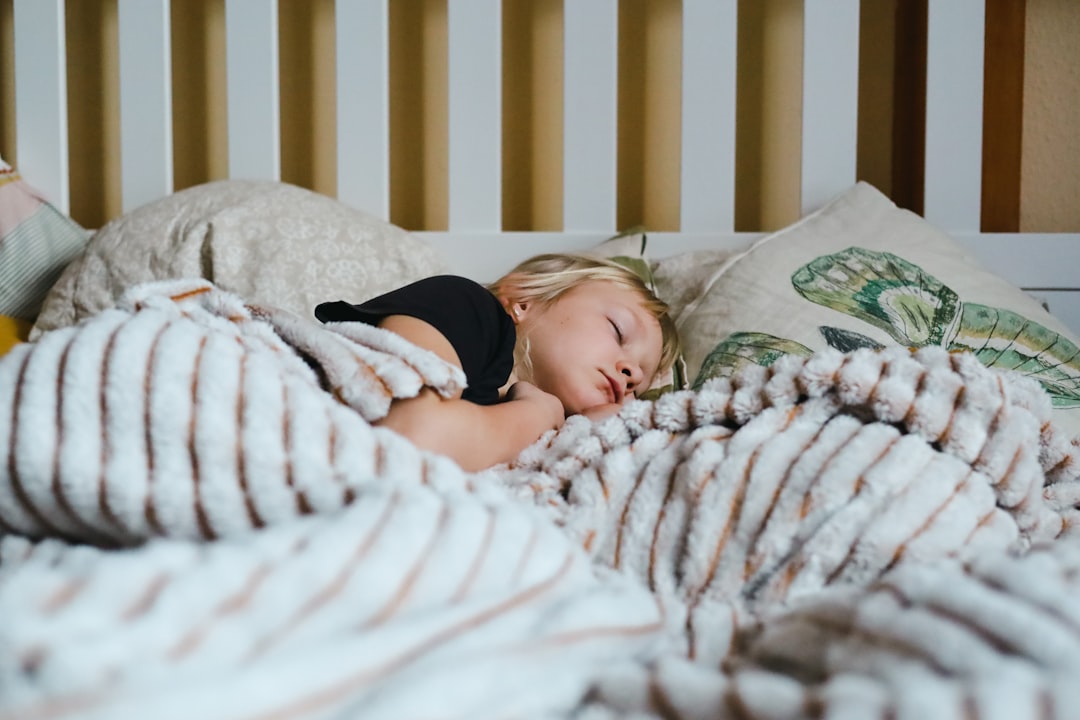
There’s honestly no good reason to skip breathability for a child’s mattress, not here. The one exception might be if you’re buying a strictly temporary piece for a holiday home, something used a few weeks a year. For the daily grind in a BTO flat, you need a mattress that works with the weather, not against it. Otherwise, you’re just buying a problem that wakes you up at two AM.
How Breathability Curbs Mould Growth by Year Three

By the third year in a resale flat, you might lift the mattress in your child’s room and find a dark, speckled patch underneath. That’s mould, and it’s not just about a stain—it’s a sign the mattress couldn’t breathe. Our humidity here is a constant, and a mattress that traps air and moisture becomes a perfect home for spores, especially when it’s pressed against a solid platform or a low bed frame common in kids' rooms.

A mattress for a child often gets judged on firmness or a waterproof cover, but its internal airflow is what decides its long-term fate. Those mildew stains you discover aren't random; they mark where warm, damp air from a sleeping child met a cold, non-porous surface and had nowhere to go. A breathable core, with channels or materials that let air circulate, actively pulls that moisture away from the sleeping surface and disperses it. Without that, you're essentially sealing in the dampness every night.

Think about the typical setup: a Super Single mattress on a low, solid platform bed in a common bedroom, maybe without the strongest cross-ventilation. Even with air-con, the space between the mattress and the bed base can become a stagnant pocket. Over seasons, that pocket collects enough humidity to let mould take hold from the bottom up. By the time you see it, the material inside can be compromised, and cleaning it properly is nearly impossible. You’re looking at a replacement, not a repair.

That’s why the construction matters as much as the cover. Some mattresses use dense, closed-cell foams that feel supportive but act like a sponge, while others are built with open-cell structures or natural fibres that encourage air movement. A waterproof, hypoallergenic top layer protects from spills, but it’s the hidden engineering underneath that protects from the climate. The standard kids' size is a single mattress at 91 by 190cm — ideal for a child's bed, a bunk deck, or a trundle, and the size most children's frames are built around. Single mattresses come in memory foam, latex, and other constructions, often in non-allergic, breathable finishes that suit a child's room. It's the compact, practical choice that leaves the most floor for play. For most younger children's rooms, the single is the natural starting size.. You want a build that manages moisture through its entire thickness, not just at the surface.

So when you’re checking options, press beyond the top fabric. Ask about the core’s breathability, how it handles air flow. A mattress that can’t breathe in our weather is a temporary solution—you’ll be shopping again in a few years, and that’s a cost nobody needs. Get this right, and you’re not just buying a place for your child to sleep; you’re buying peace of mind that it will stay clean and dry for years to come.

Maintaining optimal airflow in your child's mattress: a step-by-step guide

Airflow Versus Accidental Spills in Single Mattresses

Cooling Priority

For a child moving from a cot, that first proper bed feels like a big step. A breathable mattress with a permeable cover is the clear winner in our climate, where humidity can sit around 80% and turn a kid's room into a sauna. That airflow isn't just about comfort—it helps regulate body temperature throughout the night, which directly impacts sleep quality. A cooler child sleeps more soundly and wakes up less often, which is a win for everyone in the household. The trade-off is real, but in a typical 4-room BTO common bedroom, prioritising ventilation often trumps other concerns.

Accident Reality

Parents know the drill: a spilled water bottle, a sudden fever, or a midnight toilet trip gone wrong. These aren't hypotheticals; they're the messy reality of life with a young child. A mattress without any protective barrier will soak up that liquid straight to the core, leading to potential mould and a very difficult clean-up job. That's the genuine worry that pushes many toward a waterproof layer. For growing room, a super single mattress at 107 by 190cm is the size many parents choose to avoid changing the mattress every couple of years — wider than a single, the same length, and roomy enough to carry a child comfortably through the teenage years. The extra width gives a restless sleeper space to toss without rolling to the edge. Memory foam or latex layers in this size relieve pressure on growing shoulders and hips. It's the buy-once-for-longer option.. It's a valid concern, especially during those initial transition months when accidents are more frequent.

Material Trade-Off

You simply cannot have it both ways—a fully waterproof barrier will always compromise breathability to some degree. Many permeable covers use natural fibres or advanced synthetics that allow air to pass while still offering a degree of quick-drying performance. They might resist a small spill for a minute, giving you time to blot, but they won't stop a full cup of juice from seeping through. The key is understanding that these materials exist on a spectrum, from highly breathable to fully sealed, and your choice locks in a performance priority.

Strategic Protection

Instead of sacrificing airflow for a built-in plastic sheet, the smarter move is to add protection on top. A quality, breathable mattress protector acts as your first line of defence; it's easily removable for washing and doesn't trap heat against the mattress surface. This layered approach lets the mattress itself breathe freely while the protector handles the spills. You can even keep a spare protector on hand for those really messy nights, ensuring the mattress stays pristine for years. It's a more flexible solution that doesn't force you to choose one benefit over the other permanently.

Long-Term View

Think beyond the toddler years. A child aged two to twelve will use this Single mattress for a decade, and their needs will change dramatically. Prioritising a cool, supportive sleep surface supports their development far longer than a waterproof cover remains critically necessary. As they grow, accidental spills become far less common, but Singapore's humidity is a constant. Investing in core breathability now means the mattress will remain comfortable and hygienic well into the primary school years, which is the better value over the long run. The one real exception? If your child has specific medical needs where frequent accidents are a certainty, then a dedicated waterproof model is the necessary call.

Material Stress Test: Latex, Gel Foam, and Coir Core

The real test for a mattress isn't just the first night—it's the third year, after two monsoon seasons and a kid who's grown a foot. You'll feel that in the material's response to our climate, long after the showroom bounce fades.

Natural latex, for instance, breathes beautifully. Air moves through it, which is a godsend for humidity. But that same structure traps body heat, so a child who already sleeps warm might end up kicking off the sheets by midnight. It's a trade-off: fantastic for staying dry, less so for staying cool. Gel-infused memory foam tries to solve that. The gel beads are meant to pull heat away, and for a while, they do. The catch is in the foam itself, which can soften and compress over time, especially under a growing child's concentrated weight. You might find a permanent dip where their hips rest, which defeats the whole point of that firmer spinal support they need.

Then there's coconut coir, the classic local favourite for ventilation. It's basically a woven layer of coconut husk, and air flows right through it—no sweat pooling underneath. The problem is it's board-stiff. For an adult, that firmness can be fine, but a child's lighter frame doesn't have the weight to sink in even a little for pressure relief. It's like putting them on a firm, breathable plank; they're supported, sure, but not cushioned. Where got comfort?

So, what's the verdict? For the climate and a child's needs, a hybrid approach often wins. A breathable, supportive core—like a pocketed spring unit—topped with a thinner layer of natural latex gives you airflow where it counts and a bit of gentle contouring on the surface. You avoid the heat trap of thick latex and the eventual sinkhole of all-foam. A kids mattress needs a sturdy children's bed frame under it, sized to match — the frame and mattress should be the same single or super single dimension so the mattress sits flush with no gap a child could catch a limb in. Children's frames are built for the active years with solid slatted bases and rounded edges. Match the mattress size to the frame before buying either. A safe, sturdy frame is as much part of a child's sleep setup as the mattress itself.. The one time I'd consider a straight coir core is if your child is a real furnace who sleeps absolutely still on their back, and even then, I'd layer a decently thick, breathable topper on top for that crucial cushioning.

West-Facing Rooms and Afternoon Heat Retention

That west-facing common bedroom in your 4-room BTO layout? It’s a heat sink by evening. A memory foam mattress suits many children, contouring to the body and relieving pressure on growing joints — and it can be a good fit for kids when it's medium-firm for proper spinal alignment rather than too soft. The one thing to check in the local climate is heat: look for cooling-gel or breathable foam so a child doesn't overheat overnight. Foam also isolates movement, which helps a restless sleeper settle. For a contouring, supportive kids' surface, medium-firm memory foam is a sound choice.. The afternoon sun pours in for hours, warming every surface until the walls themselves seem to radiate warmth well past sunset. For a child’s room, this isn’t just about comfort—it directly impacts their ability to fall asleep in a space that hasn’t fully cooled down.

The mattress becomes the critical piece here. A typical kid’s mattress in a Single or Super Single size will soak up that thermal energy all afternoon. If it’s not built to breathe, that stored heat gets released slowly, right when your child is trying to settle. You’ll end up with a kid tossing and turning on a warm surface, even with the air-con on. Breathability isn’t a luxury add-on in this scenario; it’s a non-negotiable for sleep quality.

Look beyond the cover. A water-repellent protector is essential for accidents, but it shouldn’t act like a plastic sheet trapping heat underneath. The core support layer needs channels for air to move, pulling heat away from the body. Firmer support for spinal development is still key, but that firmer foam can be dense and insulating if it’s not designed with ventilation in mind. A lower profile mattress around 15–20cm can help too—less material overall means less thermal mass to heat up.

The one time you might compromise? If that same room gets blessed with exceptional cross-ventilation, with windows on opposite walls that you can safely open to create a real breeze after the sun sets. But in most HDB layouts, that common bedroom has just the one window facing the blazing west. For that room, prioritise a mattress that actively dissipates heat. Anything less and you’re fighting the climate every single evening.

The Ventilation Gap Beneath Low-Profile Mattress Frames

A solid platform bed frame gives that clean, modern look—and for a child’s mattress, it’s a popular safety choice. But that sleek, unbroken surface comes with a hidden trade-off. It completely seals off the underside of the mattress, turning it into a stagnant pocket where air simply cannot circulate. In a climate where humidity is a constant, that’s a problem waiting to happen.

You won’t notice it on a quick showroom test lie-down. The issue builds slowly, over months of nightly use. Without a gap, any residual moisture from the air—or from a small, inevitable spill—gets trapped. The mattress can’t breathe. Over time, that trapped dampness becomes a perfect environment for mould and mildew to take hold, especially along the seams and edges that press directly against the solid wood or plywood platform. It’s the kind of thing you only discover when you finally lift the mattress during a room clean-out, and by then the damage is often done.

That’s why you need to get hands-on during your search. When you’re looking at a low-profile kids' mattress on a platform bed, don’t just assess the firmness. Lift a corner. Check what’s underneath. Is the platform a solid, flat sheet of wood or MDF? Or does it have slats or a grid system with deliberate gaps? Those gaps are non-negotiable for long-term health. They allow air to move freely, pulling moisture away and keeping the core of the mattress dry. A mattress can have all the hypoallergenic covers in the world, but if its base is suffocating, you’re undermining that protection.

The only time I’d accept a fully solid base is if the mattress itself is a high-end model designed with exceptional internal airflow channels and a perimeter venting system—a feature you’d explicitly confirm with the retailer. A foam mattress is a practical, value choice for a child's or guest room — lighter to handle and flip, easier to move on cleaning day, and often the more affordable option for a mattress that may be replaced as the child grows. Judge it on foam density rather than thickness, since density drives how long it holds support. For a child's room where the mattress will be sized up in a few years anyway, a quality foam keeps the spend sensible without dropping support.. For the vast majority of kids' mattresses, especially the affordable ones, that passive under-mattress ventilation is your first and best line of defence. So look past the aesthetics. That few centimetres of empty space beneath the bed isn’t wasted; it’s working hard to keep the mattress fresh and clean for years.

" width="100%" height="480">Mattress breathability: impact on your child's sleep quality and well-being

FAQ: Singapore Parents Search on Mattress Breathability

Parents who have to Google these things are already feeling the humidity in the bedroom. That sticky air doesn't care if it's a 4-room BTO or a resale flat, and the questions you get are always the same few, circling back to how to keep a child cool and dry on their mattress.

Will a breathable mattress prevent night sweats? It helps a lot, but it's not a magic cure. If your child is a naturally hot sleeper or the room's ventilation is poor, sweat happens. A breathable mattress works by letting air move through it, so the moisture doesn't get trapped against their skin—it wicks away instead of pooling. You still need a good fan or air-conditioning to manage the room's overall climate, but the right mattress stops that clammy, wet-bed feeling from making things worse.

Is cooling gel foam good for humid Singapore? For a kid's mattress, maybe not the best choice. That cool-to-touch feeling can be shiok at first, but in our constant humidity, some gel foams actually trap heat over the long night because they're quite dense. A mattress with open-cell foam or natural latex, which has air channels built right in, often performs better for all-night breathability. The gel one might feel cooler for five minutes, but the other keeps cool for eight hours.

Can a breathable mattress still be waterproof? Got, but you need to look at the construction. A waterproof protector sheet slapped on top will block all the air flow and defeat the purpose. The better ones use a waterproof, breathable membrane integrated into the mattress cover itself—it's a specialised fabric that stops liquids from soaking in but still lets vapour out. That's the combo you want for accident protection without the sauna effect.

How often to air out a kid's mattress? Once a week is a good rhythm, especially during the wetter months. Just strip the sheets and let the mattress sit bare for a few hours with a fan on or the window open. This isn't about sunning it on the balcony—direct sun can damage materials—it's about letting any accumulated moisture in the core evaporate. A bunk bed in Singapore takes single-size kids mattresses on each deck, so the mattress choice pairs directly with the frame — and the top deck in particular wants a thinner mattress so the sleeper clears the guardrail safely. Both decks take a standard single. For siblings sharing a room, matching two single kids mattresses to the bunk is part of the setup. Mind the mattress height against the guardrail on the upper bunk above all.. If you skip it, over months that slight dampness can become a permanent smell, and no amount of washing the sheets will fix that one.

Decision Checklist Before the Tampines Showroom Visit

mattress and bed sizes guide .

You can read every spec sheet and pore over online reviews, but a mattress for your child is one of those things you absolutely must experience in person. The numbers on a page won’t tell you how a fabric feels against their skin or whether the firmness is genuinely supportive. That’s why a trip to a showroom is non-negotiable—it turns abstract claims into tangible decisions.

First, bring your bed frame measurements. A common oversight is buying a mattress only to find it sits too high or too low on the existing frame. For a child’s safety, you want that lower profile, typically 15 to 20 centimetres. But if your frame is already quite tall, a thick mattress can make climbing in and out a hazard. Conversely, a mattress that’s too thin on a low platform won’t allow for proper airflow underneath, which is crucial in our climate to prevent moisture buildup. Measure the height of the side rails or headboard, and have that number in your phone when you go.

Next, get hands-on with the materials. Online listings love to tout “cooling” and “breathable” tech, but the proof is in the label and the weave. In the showroom, look for the composition tag—high percentages of natural fibres like cotton or bamboo often breathe better than synthetics. Then, actually press your hand against the fabric cover. A tight, smooth weave might feel warmer; a more open, textured one usually promises better air circulation. Don’t just glance—feel it.

Finally, the firmness test is where you’ll spend your time. Have your child lie down if they’re with you, or mimic their sleeping position yourself. That firmer support for spinal development shouldn’t feel like a rock; it should offer a definite, even pushback without pressure points. Press down firmly with your hand at the centre and edges—you’re checking for consistent density. A mattress that caves too easily at the perimeter won’t last, and one that doesn’t give at all won’t be comfortable. This tactile check is the single best reason to make the trip, because your child’s comfort threshold is unique. What feels supportive to you might be too hard for them, and that’s a call you can only make in person.

Durability in Singapore's humid climate

Singapore's high humidity, often above 80%, challenges mattress materials. A kids mattress should use breathable fabrics and antimicrobial treatments to prevent mould and mildew buildup. Avoid materials that trap moisture; look for covers that promote airflow and dry quickly after cleaning.

Materials and build quality for lasting support

A kids mattress needs firm support for spinal development and durable materials to withstand years of use. High-density foam cores resist sagging, while hypoallergenic covers protect against dust mites common in Singapore bedrooms. Water-repellent or waterproof layers are crucial for accident protection during the transition from a cot.

Check our other pages :