Selecting the correct mattress firmness: a BTO move-in checklist

Why Firmness Matters More Than Thickness for Spinal Development

Walk into any showroom, and the first thing a parent does is press a hand into the mattress to feel how thick it is. That’s a mistake. What you’re really checking for is how it holds up against pressure, not how much foam is stacked underneath. In a typical 12 sqm common bedroom, where space is tight and the bed is the centrepiece, the right firmness becomes a daily investment in your child’s posture. A mattress that’s too soft lets a growing spine curve into it overnight, and that misalignment doesn’t just reset when they wake up.

Think about the mechanics. A child’s body is lighter than an adult’s, so a plush surface that feels supportive to you will actually let them sink in more. Their spine needs a flat, stable plane to rest on, especially during those long stretches of deep sleep. That’s why a kids mattress is engineered firmer—it’s not about being uncomfortable, it’s about preventing the hips from dipping and the shoulders from rolling inward. Over years, that consistent support helps maintain natural alignment, which influences everything from how they sit at their study desk to how they carry themselves.

The exception is if your child has a specific medical condition requiring a softer surface, but that’s a conversation with a doctor, not a showroom decision. For the vast majority, firm is the way to go. You’ll notice the difference in their sleep quality too; proper support means less tossing and turning, because the body isn’t fighting to find a comfortable position on a sinking surface. A good night’s rest in a BTO common room isn’t just about quiet—it’s about foundation.
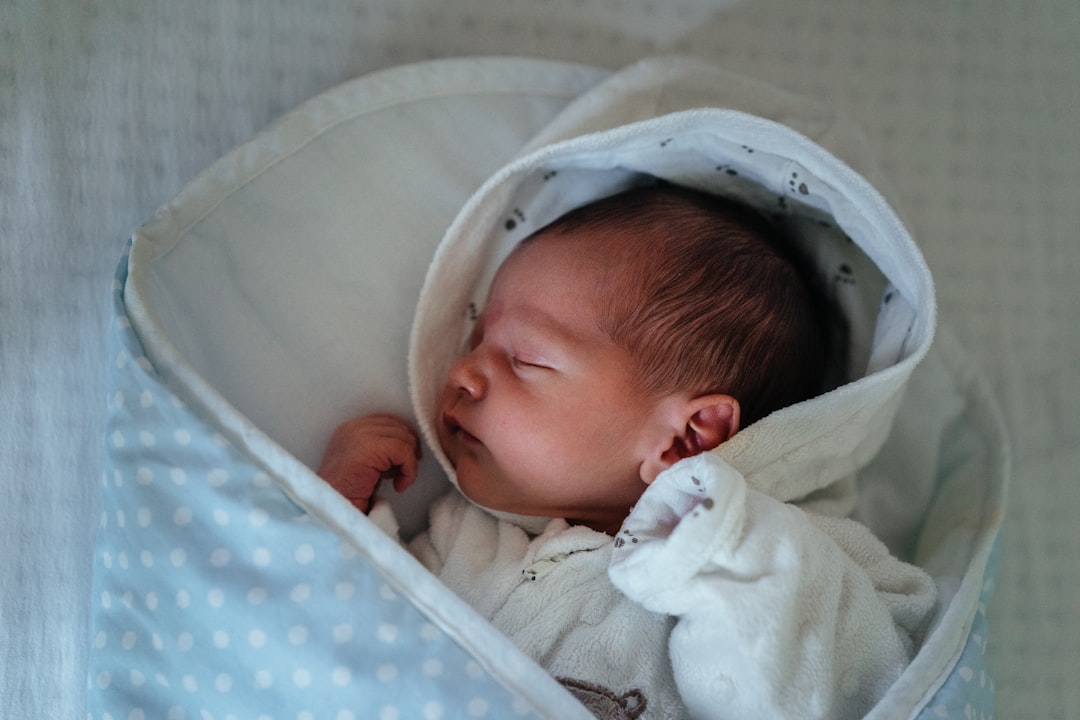
So ignore the centimetres. A 20cm profile can be perfectly supportive if the core is dense and resilient, while a 30cm pillow-top might feel luxurious but offer no real backbone. The key is in the feel, not the measure. When you test it, look for a gentle resistance that keeps the body level, not a deep cushion that swallows it. That’s the real check.

Mattress Firmness Explained: The Singapore Rating Scale

Walk into any showroom and you'll hear the terms 'extra firm' or 'medium firm', but those labels mean different things depending on which salesperson you're talking to. For a child's mattress, you need a consistent scale—one that ties directly to their weight and age, not vague feelings. The industry here tends to use a simple five-point system, and it's the one you should look for when you're shopping.

For a toddler just out of the cot, around two to four years old and weighing maybe 10 to 18 kilograms, you'll want the firmest rating available. This isn't about comfort in the adult sense; it's about providing a rigid, supportive surface that doesn't let their spine curve while they're sleeping. That top-tier firmness feels almost unyielding to an adult hand, but it's exactly what a small child's developing body needs. The next level down, what they often call 'firm', is suited for kids in the five to eight range, when they're heavier and more active but still require that structured support to avoid sinking in.

The middle of the scale, the true 'medium firm', is really for the older child approaching twelve. Their weight and frame are changing, and the mattress should offer a slight degree of contouring while still holding its supportive line. Anything labelled softer than that—'medium' or 'soft'—is generally not meant for kids at all; it's for adult preferences and can compromise proper spinal alignment for a growing child. The exception here is if your child is exceptionally light for their age, then you might consider the firmer side of the medium category, but that's a rare case.

So ignore the generic descriptions. Ask to see the firmness rating chart, or simply press down on the mattress with your palm. For a child, you shouldn't feel much dip at all. That consistent, firm foundation is what you're buying for their single or super single bed—it's not about luxury, it's about building a good base for their growth.

The Humidity Test for a Child's Mattress Materials

Latex Reaction

Natural latex fares quite well in a humid room, but it's not bulletproof. The material's open-cell structure allows air to circulate through it, which helps moisture escape instead of pooling inside. Over that first humid season, you'll notice the mattress stays noticeably cooler and drier than other types, especially during the monsoon months. However, if the room lacks consistent airflow—like a common bedroom with windows closed—even latex can develop a faint mustiness. That's why a water-repellent cover is crucial, as it acts as a first barrier against ambient moisture seeping into the core.

Foam Trapping

Memory foam is the one you really need to watch. Its dense, viscoelastic structure is fantastic for support but terrible for breathability in our climate. In a non-air-conditioned space, the foam absorbs and holds the surrounding humidity like a sponge. This doesn't just make the sleeping surface feel warmer; it creates a prime environment for mildew if the mattress isn't allowed to dry out regularly. A low-profile kids mattress with a memory foam core might feel fine initially, but by the end of the first year, you could be dealing with persistent dampness inside.

Spring Ventilation

Pocketed spring cores offer a different dynamic. The individual coils create natural channels for air movement throughout the mattress interior. This built-in ventilation is a strong defence against the stagnant, moist air that settles in a 4-room BTO bedroom. While the metal springs themselves won't harbour mildew, the fabric and padding layers around them can if they're not designed for moisture resistance. For a child's mattress, the key is pairing a pocketed spring system with a hypoallergenic, breathable comfort layer that won't trap sweat or humidity against the coils.

Cover Defence

The mattress cover isn't just a fabric; it's the primary humidity shield. A true water-repellent cover will actively block liquid spills and, more importantly, resist the absorption of ambient moisture from the air. Over months of 80% humidity, a standard cotton or polyester cover will gradually wick that moisture into the mattress materials below. The right cover, however, creates a microclimate barrier, keeping the core drier. This is non-negotiable for a kids mattress—accident protection is one function, but long-term climate defence is the other.

Seasonal Maintenance

Your routine matters as much as the materials. Even the best-engineered mattress will struggle if left untouched on a humid floor. Regular airing—propping it up against the wall for a few hours on a dry afternoon—lets accumulated moisture evaporate. Rotating the mattress every few months ensures one side isn't constantly pressed against the bed frame, where airflow is minimal. In a child's room, this simple habit extends the mattress's life significantly. Without it, you're essentially testing the materials to their limit, and some, like memory foam, will fail that test.

Safety Profile: Why Lower Mattress Heights Match SG Bed Frames

Most Singapore kids' bedrooms are compact spaces, and a mattress that sits too high feels like a precarious perch. That's why the typical 15 to 20 centimetre profile isn't just a manufacturing choice—it's a deliberate safety feature. When you pair it with the low platform frames common in our local stores, the total sleeping surface ends up being much closer to the floor. This distance is crucial for preventing falls during those restless nights or energetic morning jumps. A child rolling out of a bed that's only 30 or 40 centimetres off the ground is far less likely to get hurt than from one that's a towering 60 centimetres high.

Consider the typical bed frame designs you'll find here, often built without tall headboards or substantial bases to maximise storage underneath. A lower mattress profile complements this design perfectly. It keeps the overall bed height manageable, which is especially important in a common bedroom that might only be around twelve square metres. The child can climb in and out independently, fostering confidence, and you won't have to worry about a dangerous gap between the mattress edge and the floor. That mattress-to-floor distance should be minimal—anything over, say, half a metre starts to feel risky for a young child.

There's a practical aspect for parents too. A lower bed is easier to maintain. Tucking in sheets, changing linens, or reaching over to soothe a child doesn't require you to stretch awkwardly. In a tight room where the bed might be tucked against a wall or near a study desk, the reduced height also makes the space feel more open and less dominated by a bulky furniture piece. It's a layout win that prioritises safety and function over imposing presence.

The one exception to this lower-height rule would be if you're using a trundle bed or a bunk bed system, where specific clearances are needed for the mechanics. But for the vast majority of setups—a simple platform, a storage bed with drawers, or even a basic frame on casters—that slim mattress profile is the right call. It aligns with how our flats are built and how our kids live, turning a basic necessity into a thoughtful safeguard.

From Cot to First Bed: Firmness Transition Timeline

Most parents get that cot mattress firmness is a safety thing, but they don’t realise the shift to a first bed isn’t about suddenly going soft. It’s a gradual softening over years, not a one-time swap. You’re looking at a timeline from about age two up to five or six, where the mattress gets a bit more forgiving while still holding its spine-supporting job.

The cot mattress is rock-solid for good reason—it prevents that dangerous dip where a baby could roll and get stuck. When you move to a Single or Super Single, you keep a firm core, but the top comfort layers can start to have a little more cushion. Think of it like a very firm adult mattress with a thin, gentle topper. That slight plushness helps a toddler who’s starting to sleep longer stretches feel more comfortable, but the base won’t let them sink.

Signs your kid is ready for that next step aren’t just about them climbing out of the cot. It’s when they start complaining the cot is “too hard” or they’re waking up more often seeming restless. Sometimes they’ll even ask to sleep on your bed, which is usually softer. If they’re past the toddler wobble and walking steadily, their bones and muscles are ready for a bit less rigidity. That’s usually around three or four, but every kid is different.

The one time you shouldn’t follow this timeline is if your child has any specific spinal or posture concerns flagged by a doctor. In that case, stick with the firmest option you can find and consult a professional. For everyone else, the move is about matching comfort to development—a mattress that’s still supportive but doesn’t feel like a board.

By age five or six, you’re looking at what’s essentially a firm adult single mattress. The transition’s done. That lower profile you see on kids’ mattresses, around 15 to 20cm, isn’t just for safety on low frames—it also means the comfort layers are thinner, so the firm support stays dominant. You’re buying a mattress that’ll last them until they’re twelve, so that gradual shift in feel is baked into the engineering.

Four Singapore Parent Questions on Kids Mattress Firmness

Parents often fixate on firmness when picking a child's first mattress, but the questions they ask reveal a deeper, practical anxiety about the years ahead. You're not just buying a bed for tonight; you're buying for the whole stretch of childhood, from toddler tumbles to a ten-year-old's homework sprawls. That timeline shapes every doubt.

Can a firm mattress cause back pain for my child? It's a worry that surfaces after the first night, when a kid complains of stiffness. The concern isn't about the mattress alone—it's about whether you've misread their body's signals during a growth spurt, locking them into a support level that doesn't adapt.

How long should a kids mattress last? This one cuts straight to the kiasu heart of the purchase. You want it to survive the entire primary school journey, through all the accidental spills and jumping experiments, without sagging into a costly replacement halfway. The answer isn't just in the warranty; it's in how the materials handle a decade of humidity and changing weight.

Is a medium-firm mattress okay for a 10-year-old? By this age, they're not a little kid anymore, but they're not an adult either. Parents are trying to bridge that gap, unsure if the rules have changed. The question really probes whether you can skip the 'kids' category entirely and move to an adult single, saving a future upgrade.

Do mattress toppers affect firmness rating? That's the clever backup plan. If the bed feels too hard after delivery, a topper seems like a quick fix. But adding one isn't just about softness; it alters the entire support system the mattress was engineered for, and it introduces a new layer that might not play nice with a waterproof cover.

Why Testing in Person at Joo Seng or Tampines Beats Online Specs

You can’t tell firmness from a webpage. The numbers on a spec sheet—density, ILD, whatever—don’t translate to the actual pressure you feel when you push your hand down. For a child’s mattress, that gradient between extra firm and just firm is everything; it’s the difference between proper spinal support and a surface that lets them sink. Online, they’re just words.

Go to a showroom and try it. Lie down, sit on the edge, let your kid bounce on it if they’re there. You’ll know instantly if it’s too hard or if it’s that balanced firmness that holds their shape without feeling like a board. The tactile feedback is irreplaceable. A mattress for a growing child isn’t just about dimensions or a waterproof label; it’s about how their body interacts with it every night for years. You can’t simulate that by scrolling.

There’s one exception: if you’re buying the exact same model you already own and love, then maybe you can skip the trip. But for a first bed or an upgrade, you really need to feel it. The risk of getting it wrong online is too high—you’ll end up with a mattress that feels completely different from what you imagined, and then you’re stuck with return hassle or a kid who can’t sleep properly. That’s a real problem lah.

So make the trip. It’s a straightforward decision. You’ll spend ten minutes in the showroom and gain a certainty that weeks of online research can’t provide. For something that’s going to sit in a 12 sqm common bedroom and support a child’s development, that’s a small investment of time for a huge payoff in confidence.

Mattress firmness guide: ensuring proper support during growth spurts

The Budget Trade-Off: Firmness Versus Long-Term Durability

That soft, squishy mattress your child loves might feel cosy now, but it won't hold up. A budget-friendly option around the $500 mark often relies on lower-density foam or basic springs that compress quickly under the weight of a growing child—you'll see a noticeable dip in the centre within a couple of years. That initial softness is a trade-off for longevity, a compromise that becomes clear when the mattress starts to sag and loses its supportive structure.

A firmer mattress, typically in the $800 to $1,500 range, uses denser materials engineered to resist compression. For a child's room, you're looking for a core built with high-density foam or a tightly coiled spring system that maintains its shape despite nightly use and occasional jumping. These materials don't just feel firm initially; they're designed to stay that way, providing consistent spinal support over five years or more. The initial investment buys you time, avoiding the need for a replacement before your child even hits secondary school.

The one real exception? If you're certain the mattress will only be used temporarily, maybe for a few years in a guest room before a planned upgrade, then the softer budget route can work. But for a primary bed in a child's room, where it's used every single night, that's a gamble. You'll likely end up buying twice, which isn't a savings at all.

Focus on the core construction when you're evaluating. A high-density foam block or a pocketed spring unit with a firm comfort layer will maintain its profile. Cheaper models often use a soft top layer over a weak base, which feels nice at first but collapses fast. Don't just press the surface; ask about the density ratings and the coil count. That's what determines whether the firmness you buy today is still there when your child turns twelve.

" width="100%" height="480">Selecting the correct mattress firmness: a BTO move-in checklist

Final Checklist Before the Showroom Appointment

You’re walking into a showroom with your kid, ready to pick their first proper mattress. It’s a moment, but it’s also a test—a test of whether you’ve done your homework. Without the right numbers in hand, you’ll just be guessing, and guessing means you’ll probably leave with something that fits the room poorly or doesn’t suit your child at all. That’s a mistake you can’t afford after you’ve already bought the bed frame.

So, what do you need? Start with the room itself. Measure the floor space where the bed will sit, not just the room’s total dimensions. A standard Single is 91 by 190cm, but if you’ve got a bit more space, a Super Single at 107cm wide gives a growing kid more room to roll. You also need to know the height of the bed frame you’ve chosen—or plan to choose. A child’s mattress is often lower, around 15 to 20cm thick, for safety. If your frame is unusually high, a standard profile might leave your kid climbing a mountain every night. Bring those measurements.

Then, bring the child’s specifics. Their age and weight aren’t just numbers for the salesperson; they dictate the firmness needed for proper spinal support. A five-year-old doesn’t need the same mattress as a ten-year-old, even if they’re both on a Single. Have a clear budget range, too. It keeps the conversation focused and stops you from being swayed by features you don’t actually need. And think about materials: do you want a hypoallergenic core, a waterproof cover for accidents, or a particular foam type? If you don’t know what you prefer, you’ll default to whatever’s on display.

There’s one exception to this prep work: if you’re buying a mattress for a child who’s about to hit a big growth spurt, say from age eight to twelve, you might deliberately choose a slightly firmer, more supportive option than their current weight strictly requires. It’s a forward-looking move, but it’s the only time I’d deviate from matching specs exactly.

Take this list to the showroom. Lay the paper on the mattress, let your child lie down, and see how it feels. Testing without your specifics is just playing house—you’ll get a feel for comfort, but not for fit. With your numbers, you can ask the right questions: “Will this support last five years?” “Does this thickness look safe on our frame?” “Can we actually get this into our 4-room BTA bedroom door?” That’s how you turn a browsing trip into a decision.

Sizing a kids mattress for HDB common bedrooms

A kids mattress for Singapore flats must fit the room's compact footprint. The standard Single size at 91cm wide is ideal for a child's first bed, leaving crucial floor space for play in a typical 12 sqm HDB common bedroom. The Super Single at 107cm wide offers more growing room, but always measure your specific layout—including door access—before committing.

Check our other pages :