Mattress trial periods: making the most of your purchase

Singapore's humidity and a kid's mattress trial

That west-facing common bedroom in your 4-room flat becomes a little oven by mid-afternoon, and the humidity that follows doesn't just soak the air—it tests every material you bring inside. For a child’s mattress, that month-long trial isn't just about comfort; it’s a real-world lab to see how the core holds up when the room’s ambient moisture is pushing 80% and the afternoon sun has baked the walls for hours. You can’t replicate those conditions in a five-minute showroom lie-down.

Foam mattresses, especially those with memory layers, are the ones to watch closely. They might feel perfectly supportive on day one, but some cheaper foams can soften and lose their bounce in sustained humidity, leading to a noticeable dip where your child sleeps. A proper trial lets you press your hand into that spot week after week to check for permanent impressions. Spring units generally fare better with the moisture itself, but the surrounding padding isn’t immune.

The real test is the four-week mark. That’s when any material that’s going to react to the climate will have started to show its hand. Has the surface developed a lingering damp feel in the mornings, or does it still breathe and feel dry? Does the firmness you bought for spinal support feel consistent from edge to centre, or has it begun to slump? This is the non-negotiable period to monitor for any off-gassing that hasn’t dissipated or for a cover that traps heat instead of wicking it away.

Make the trial work for you. Strip the sheets every few days and feel the mattress surface directly—check for any subtle changes in texture or that faint, cool clamminess some synthetic covers get. Rotate it end-to-end as you normally would, and pay attention to whether one side, perhaps the one nearer the window, feels any different. The goal is a mattress that doesn’t just survive our weather but performs steadily through it, providing the same firm, even support on week four as it did on day one. If it can’t do that in your child’s actual room, then it’s not the right fit, no matter how good it felt in the air-conditioned showroom.

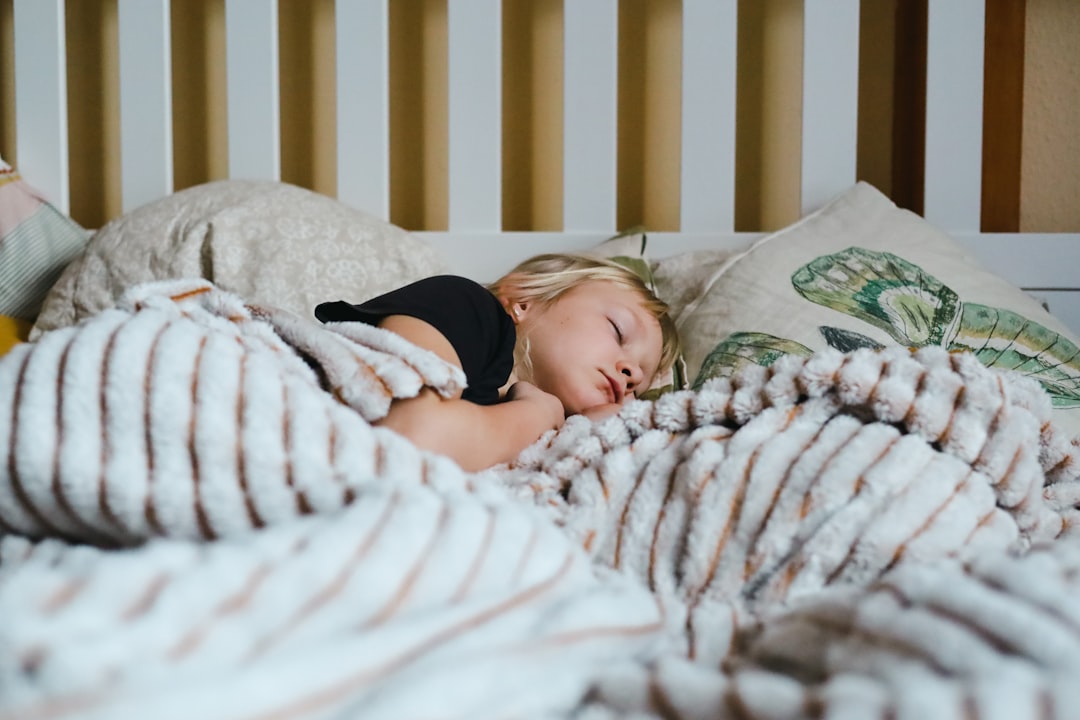
Trial reveals firmness needs for spinal support

You can't judge a kid's mattress by lying on it for five seconds in a showroom—your adult body weight just sinks into a surface a child's lighter frame won't even dent. That's where the trial period becomes non-negotiable. It’s the only real way to know if the firmer support engineered for a child’s spine is actually doing its job night after night, not just feeling firm to an adult's touch.

Think about the typical progression: a toddler moving from a cot mattress, which is quite firm, to their first proper Single bed. Their bones are still developing, and they don't have the mass to compress a mattress designed for an adult. A surface that feels medium-firm to you will be a marshmallow to them, letting their hips sink and their spine curve. The trial lets you observe this over weeks. Is your child waking up stiff? Are they constantly shifting to find a comfortable position? That's the mattress talking, telling you the alignment is off.

Commit to using the trial actively. Don't just let the bed sit there; check in. Have your child lie flat on their back and slide your hand under the small of their back. There should be a slight gap, but your hand shouldn't slide through easily—that means they're sagging. Flip them onto their side and look at the line from their neck down to their hips; it should be relatively straight, not curved like a banana. This is the concrete check the brief period allows, turning a subjective feel into something you can see and measure.

The one exception? If your child is already on the heavier side or is a very active sleeper who tosses a lot, they might actually need that extra-firm board-like feel some mattresses offer. For the majority of kids in that 2–12 range, though, the engineered firmer support of a proper kids' mattress is the way to go—the trial just confirms it’s working in your home, on your child’s bed frame. Without that home test, you're just guessing, and a child's growing spine isn't something you want to guess about.

Accidents test waterproof cover claims

Spill Defence

A water-repellent cover isn't just about the occasional water glass tipping over. The real test comes from a child's full cup of chocolate milk or a sudden bout of night-time sickness. A proper cover should form a complete barrier, causing liquids to bead up and pool on the surface rather than soaking through immediately. That gives you precious minutes to grab a cloth and contain the mess before it has a chance to seep. Without that initial resistance, you're already fighting a losing battle against the mattress core.

Seam Integrity

The weakest points on any protective cover are always the stitched seams. A cheap cover might repel water from the main fabric panel, but liquid will wick straight through the thread holes if the seams aren't properly sealed. During your trial, don't just pour liquid in the centre—test along the edges and corners where seams meet. Look for covers with welded or taped seams, which create a continuous, non-porous shield. If you see any darkening or dampness on the mattress underside after a spill, the seams have failed the test.

Material Breathability

Singapore's humidity makes a non-breathable waterproof layer a terrible idea, as it will trap sweat and heat against the child's body. The good covers use advanced membranes that block liquids but allow vapour to pass through. This keeps the sleeping surface drier and more comfortable throughout our sticky nights. You can often feel the difference—a plastic-like cover will feel clammy, while a breathable one stays noticeably cooler. It's a feature you'll appreciate during the year-end monsoon season when the air feels especially thick.

Cleanup Reality

The promise of easy wiping only holds if the cover's surface texture cooperates. Smooth, tightly woven fabrics let you blot a spill quickly with a cloth. Textured or quilted surfaces, however, can trap moisture in the grooves, requiring more thorough cleaning to prevent sticky residues. Always check if the cover is removable and machine-washable, because eventual deep cleaning is a certainty. A cover that shrinks or loses its treatment after a cold wash is practically useless for the long haul.

Long-Term Proof

Initial resistance means little if the waterproofing degrades after a few washes or a year of use. The trial period is your chance to simulate long-term wear—spill, clean, and repeat. Observe if the liquid starts to soak in faster over time. Some treatments wear off, while others are built into the fibres themselves for lasting protection. For a child aged two to twelve, you need a cover that will last through multiple growth phases and countless accidents. Anything less isn't a true safeguard, just a temporary delay.

Low-profile safety on lower bed frames

The standard mattress height for an adult bed can be 30cm or more, but that’s a climbing expedition for a small child. In a kid’s room, especially a 4-room BTO common bedroom where floor space is tight, a lower bed frame makes sense—it’s easier for them to get in and out, and the fall is shorter if they roll. That’s where the 15–20cm kids mattress profile comes in. It’s a safety feature disguised as a dimension. You pair it with a low platform or a bed frame with a low side rail, and the sleeping surface ends up at a manageable height for a three-year-old.

A thick, plush mattress might look luxurious, but on a low frame it creates a top-heavy situation. The child has to haul themselves up onto a surface that’s deceptively high, and a sleepy midnight trip to the bathroom becomes a risky manoeuvre. The trial period in their actual room is when you’ll see this play out. Watch them climb into bed unaided during that first week. If they struggle or need a step, the overall height is wrong—the mattress is likely too thick for that particular frame. That’s your signal to adjust.

Some parents think a firmer, supportive mattress for spinal development has to be bulky. Not true. The support comes from the core construction, not the overall height. You can find a 17cm mattress with a dense, firm foam core that provides excellent support for a growing child, while keeping the total bed profile safely low. The water-repellent covers and hypoallergenic materials are built into that same slim package. It’s all engineered together.

The only time I’d consider a thicker kids mattress is if you’re using a very basic bed slat set directly on the floor, with no frame at all. Even then, the 20cm mark is a sensible ceiling. For any raised frame, especially those with built-in storage drawers that add a few centimetres of base height, stick to the slimmer profiles. It’s one less thing to worry about in the middle of the night when you hear a thump.

Hypoallergenic materials under real bedroom conditions

That hypoallergenic label feels like a promise, but your child’s bedroom is the real testing ground. It’s not a sterile lab—it’s a 12 sqm common room where dust from the playground settles, humidity hovers, and the occasional spilled water bottle creates a microclimate. The trial period is your chance to see if those special fibres and treatments actually hold up against the nightly routine.

Watch for the subtle signs over those first few weeks. A material might resist dust mites in theory, but if it’s a fabric that traps static, you’ll find it’s a magnet for every floating particle in the room. A child who sleeps fine the first night might develop a slight sniffle or itchy eyes after a few days, once their system has had consistent exposure. That’s the trial doing its job—catching what a quick showroom lie-down never could.

Pay close attention to the seams and the cover’s texture. Some tightly woven, water-repellent covers feel cool and smooth, which is great for spills, but they can make a child sweat in our climate. If there’s persistent dampness from night sweats, it creates a perfect environment for mould spores, defeating the whole hypoallergenic purpose. You want a cover that balances protection with breathability, something that wicks moisture away instead of letting it pool.

The only time you might compromise is if your child has a diagnosed, severe allergy confirmed by a specialist. Then, the specific medical-grade material they recommend becomes non-negotiable, trial or no trial. For everyone else, trust the trial in your own flat. If after a month of real use there’s no reaction, no new dust accumulation on the surface, and the material still feels fresh, you’ve got a keeper. That’s better than any tag can tell you.

Why Megafurniture's showrooms matter for a trial decision

A mattress spec sheet can list all the hypoallergenic covers and firmer support layers you want, but that's just words on a screen. For a child's bed, you need to feel the thing. You need to press your hand into the surface, check if that "firm support" is a punishing plank or a supportive cradle, and see if the fabric feels like it'll survive a juice spill. That's where a physical showroom cuts through the noise.

Think about the transition from a cot. The child is used to a certain containment, and the new mattress is a big part of that new, open bed experience. You can't gauge if the edge support is sufficient for a kid who'll sit on the side to put on socks just by looking at a picture. In a showroom, you can sit right on the corner, test the bounce, and get a real sense of the profile. A lower 15–20cm height sounds good for safety, but seeing it next to a standard adult bed frame gives you the proper scale. You'll know immediately if it's the right step down.

The fabric and finish matter more than we admit. That water-repellent treatment? Some feel like a crisp, easy-wipe vinyl; others are a softer, cloth-like textile. A child with sensitive skin or who sleeps hot will react differently to each. Lying down for even thirty seconds tells you more about breathability than any marketing claim about "cooling technology." You're setting a benchmark for what good support actually feels like, so when you're comparing options later, you have a physical memory to reference.

Is it absolutely mandatory to visit one? For a child's first proper bed, I'd say yes. The only time I'd consider skipping the in-person test is if you're doing a straight replacement—swapping an old, sagging Single for an identical-sized new one and you already know the exact feel you want. But for that first upgrade or a new bedroom setup, that trip to a showroom is the difference between guessing and knowing. You leave confident the choice will work for the next five years, not just look good in the cart.

Durability in Singapore's Climate

Kids mattresses need materials that withstand Singapore's high humidity, which often exceeds 80%. Hypoallergenic foams and water-repellent covers help protect against moisture and accidental spills. A mattress with good ventilation prevents mould growth and maintains a fresh sleeping environment over years of use. This resilience is key for a long-lasting purchase in our local conditions.

Sizing and Fit for Singapore Homes

A kids mattress must fit the room dimensions of HDB or BTO flats. The Single size (91x190cm) is ideal for a child's common bedroom, which often measures around 12 sqm. Parents should leave at least 60cm clearance on the exit side for easy movement. The Super Single (107x190cm) offers more room for a growing child without overwhelming a compact space.

Singapore parents' FAQs on mattress trials

The trial period is there for you to live with the mattress, not to treat it like a laboratory experiment. So yes, spills happen—kids are kids, after all. Most reputable trials include a protective, washable cover as standard, precisely for this reason. Check the policy's fine print on stains; a good one will state that minor, cleanable accidents during the trial don't void your return rights. It's the kind of permanent damage that would make the mattress unsellable that they'll charge you for. That water-repellent cover on a kids' mattress isn't just for show—it's your first line of defence during the testing phase.

Can you trial two mattresses side-by-side? Usually, no. Logistics make it a nightmare for the retailer, and you'd be occupying two inventory items meant for other families. The smarter move is to trial one thoroughly, then if it's not right, exchange it for the second option and start a fresh trial clock. This way, you're comparing real sleep experiences, not just first impressions.

Delivery and return fees are the hidden cost that can sour a trial. Never assume they're included. Some companies offer 'free trial delivery,' but that often means the delivery fee is waived only if you keep the mattress. If you return it, they'll deduct the original delivery cost from your refund, and sometimes add a collection charge. Get this in writing before you commit. The only trial worth having is one where the only money you risk is the mattress price itself.

And is the trial mattress brand new? It should be. You're testing a product you intend to keep for years, not a floor model that's been jumped on by a dozen other kids. A fresh, sealed mattress is the baseline. Anything less, and you're not getting a true sense of its support or hygiene. The exception is if a retailer explicitly offers a discounted 'showroom model' trial—that's a different proposition entirely, and you should know exactly what you're getting into.

The checklist before trial period ends

The trial’s last few days are your moment of truth. You’re not just looking for a mattress that’s still comfortable—you’re deciding if it’s the right partner for the next five years of growth spurts and HDB living. The showroom feel is long gone; now you’re judging it on how it performs in the real world of your flat.

First, assess the support. Has it softened unevenly or does it still provide that firm, even plane your child’s spine needs? Sit on the edge and lie in the middle. Check for any dips where their hips sink too deep—that’s a red flag for development. A good kids’ mattress should hold its structure, offering consistent resistance that adapts to their weight without collapsing. If it feels mushy already, imagine what it’ll be like after another year.

Waterproofing gets its real test now, too. Spills happen, and the cover should have repelled them without letting moisture seep into the core. Inspect it closely. A truly effective water-repellent layer will show beads of liquid on the surface that wipe away cleanly, leaving no stain or damp patch behind. If there’s any hint of absorption or a lingering smell, that’s a fail for the long haul in our humidity.

Finally, think about the five-year stretch. Your child won’t stay the same size, and their mattress shouldn’t feel like it’s shrinking. Consider if the Super Single you chose still leaves room for them to sprawl as a pre-teen, or if a standard Single already feels cramped. The material’s response—how it bounces back each morning—tells you about its longevity. A mattress that recovers its shape is one that can keep up. The only time you might second-guess a return is if everything checks out but you simply can’t stand the look of it in the room—aesthetics matter, but function for a growing child matters more.

Check our other pages :